One hundred years ago, after decades of social ills associated with drinking abuse, Americans had had th enough and sought some relief. With the passage of the 18 Amendment, the U.S. Constitution was changed from the founders’ original vision to preclude the sale of all alcoholic beverages. As is the case with many well-intentioned ideas, they come with unanticipated negative consequences.
Prohibition was a prime example!
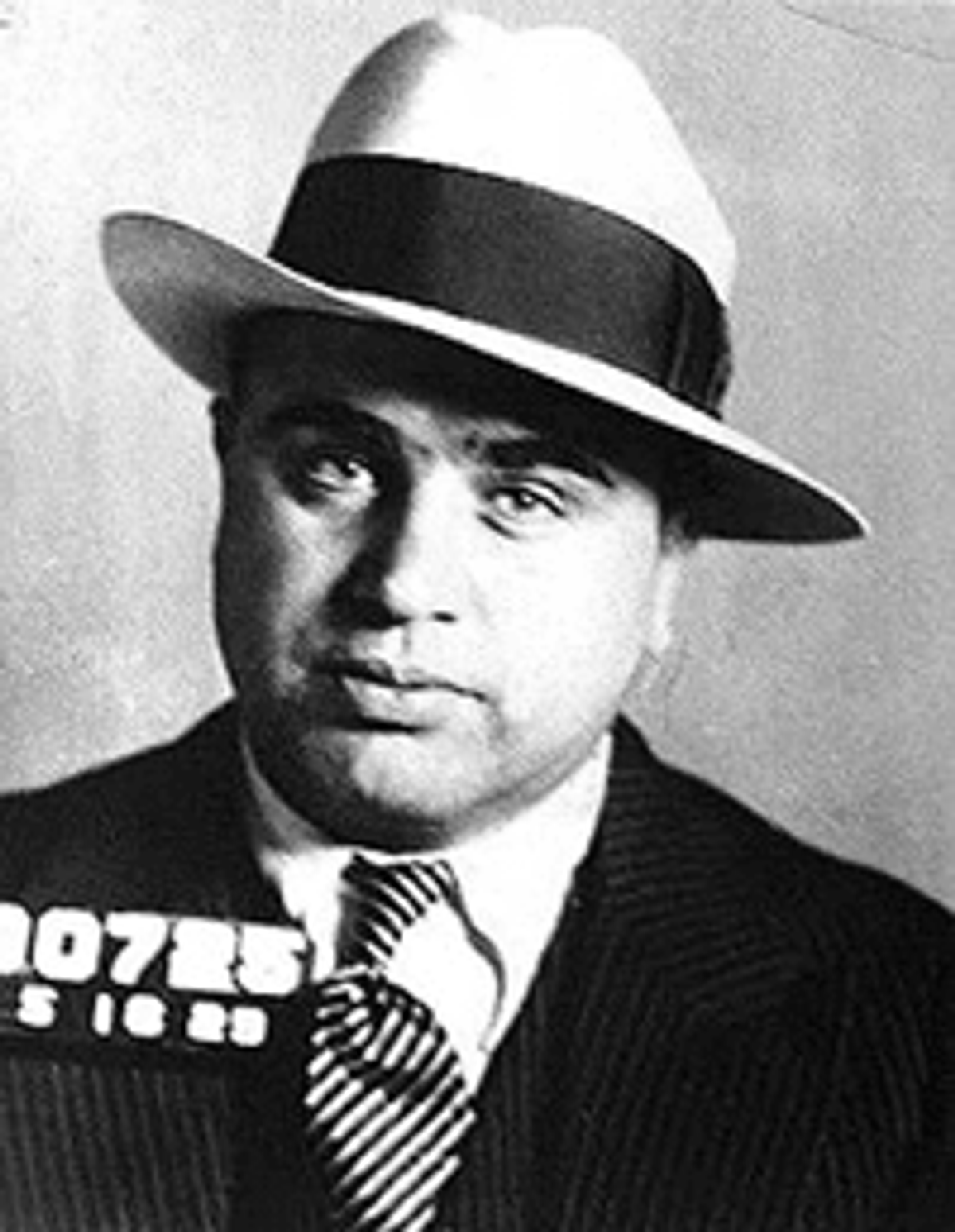
Prohibition led to a rise in organized crimes (think Al Capone in Chicago). The U.S. economy was negatively affected and average Americans were denied the simple pleasure of enjoying a glass of wine in restaurants. At home, wine lovers were mostly forced to resort to rot-gut homemade swill.
There were a few exceptions to Prohibition allowed by the federal government. The first exception allowed churches to continue to purchase altar wine for religious services. The Catholic Church was a large customer and some California wineries stayed in business during the ensuing 14 years by producing altar wine. (Given the large flow of “altar wine ” in the country, some people joked that there were a record number of catholic masses being conducted on a daily basis).

Federal agents confiscating “bootleg ” alcohol circa 1919.
The second exception involved a local SCM winery. Paul Masson, with his vineyard and winery above Cupertino in the Santa Cruz Mountains, was one winemaker who thrived during Prohibition. Ironically, he received a federal license to sell “medicinal champagne ”. Now, just try to imagine how he pulled that one off!!
Another exception, this one indeed more of an egalitarian exception as it, applied to every family in America, allowed each household in America to produce 200 gallons - four barrels in the old days - of wine. This was critically important to immigrant families, like the French, Germans and especially Italian families around the nation. If you were an Italian family living in Chicago, for example, you could order a “brick” of grape concentrate from California, add water and the yeast included and make your own home wine. Imagine how that tasted!!!
The fourth and least known exception involved apple growers. If they had a vaguely defined “bumper crop” they were allowed to make a certain amount of applejack, which was the Prohibition era’ s version of hard cider.

Paul Masson's “medicinal champagne"
One nice aspect of Prohibition is that it gave a rise to the “speakeasies” - those hidden clubs where, after rapping the secret knock or saying the code word, one could enter, buy a drink, dance, all the while keeping one ’ s voice low … ala “speak easy ”.
It’s hard for us to imagine the federal government outlawing public wine (and all alcoholic beverages) consumption. 100 years later I would argue that, although there is alcohol abuse today, generally speaking today there is a much heightened sense of alcohol responsibility in this nation.

Flappers at a speakeasy bar
Consider even the DUI limit of .08 in place today. In addition, consider that the U.S. has become the number one wine consuming nation in the world, and wine by its nature is a beverage of moderation.
Of course, Prohibition was a difficult time for the Bargetto brothers, John and Philip. They were forced to close their San Francisco winery, but at least they settled in a nice little Central Coast town famous for cherry trees called Soquel. Soon after arriving in 1918, they bought the property on which later the BARGETTO Winery would be founded.
The Italian immigrant brothers were hard-working and law abiding citizens, but as you can imagine, they were tempted to make a few extra barrels. The best family Prohibition story took place in the very winery where we throw speak-easy themed parties today. This past winter, I published a Prohibition short story titled “The Great Prohibition Caper” and I am happy to share it with our Wine Club Members in time for the fall wine season. I hope you enjoy it. Each copy is signed by the author.