Ah, Cabernet...as fun to drink as it is fun to say (pronounced CA-burr-nay SO-vin-yawn).
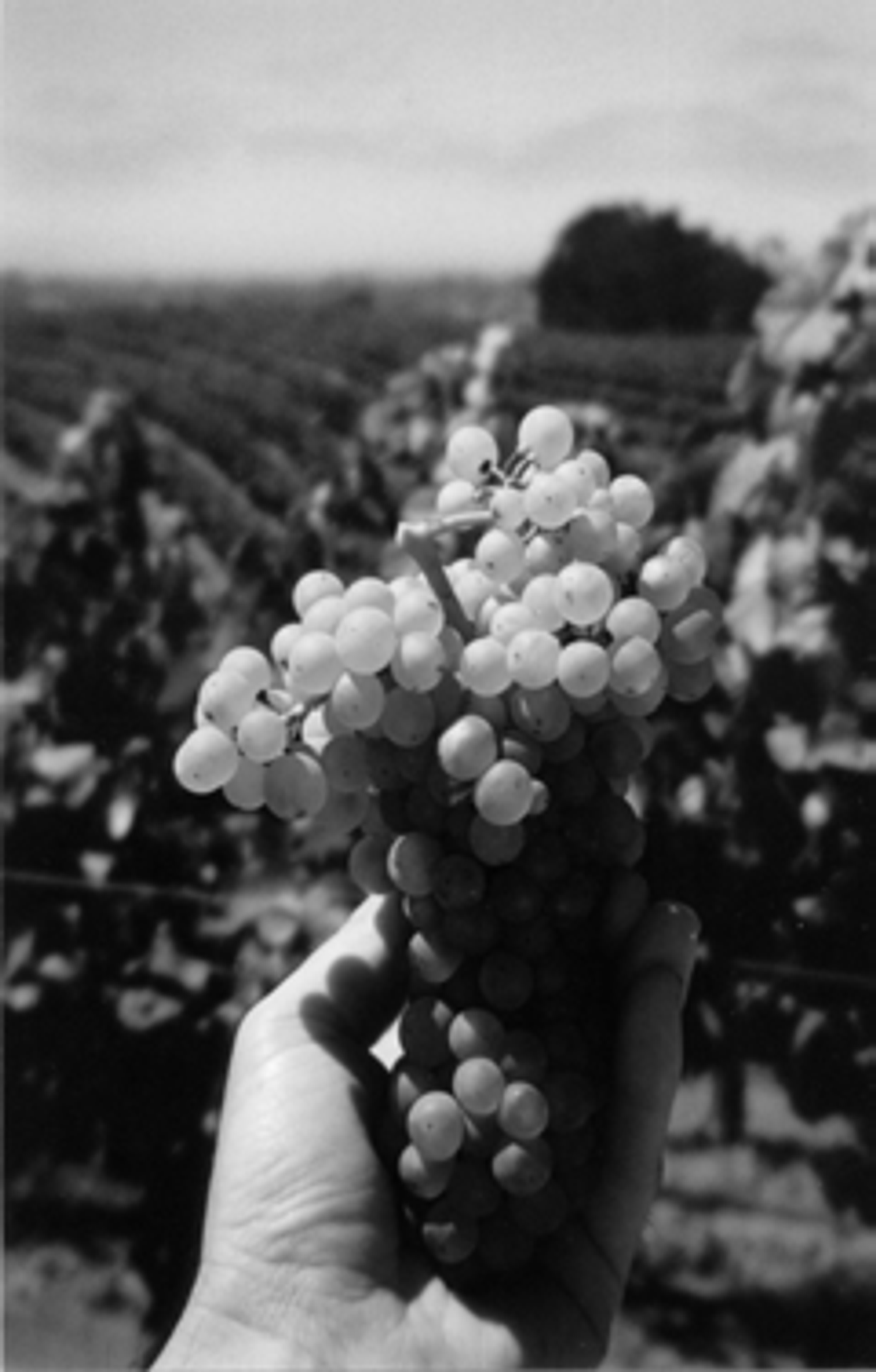
Commonly referred to as the "king" of the world's red wines, this varietal is also at the top of the list among California wines. A thick-skinned, smaller grape, Cabernet grapes are typically better suited for mostly warm climates and require a generous amount of time to reach peak maturity on the vine. Cabernet Sauvignon is originally the product of Cabernet Franc and Sauvignon Blanc grapes, and its vines are composed of hearty stock that resists most types of grape diseases and rot. Cabernet is commonly identified by notes of bell pepper, olive, cedar, red cherry and currants, but what you may not know is the tremendous impact both the temperature and topography, or place (terroir as referred to in France), can have upon the flavor of the wine. The Cabernets of the Santa Cruz Mountains and BARGETTO WINERY have their own set of characteristics symbolic to the area. When contrasted with Cabernets that are grown and produced in Napa, the similarities and differences are evident. Neither is better than the other; each has their own flavors that make them exceptional.

From Half Moon Bay to Mount Madonna, the Santa Cruz Mountains Appellation was one of the first wine growing regions to be federally recognized as an American Viticulture Area (AVA), primarily distinguished by its climate, geography and elevation (VASCM, 2011). The total area of the appellation is 322,000 acres (VASCM, 2011). The Santa Cruz Mountains has significant roots in California wine making history, with key winemakers and wines, such as those produced by Martin Ray (whose son, Peter Martin Ray has contributed the Cabernet for this month’s selections), Paul Masson, and David Bruce. BARGETTO WINERY has also created its own legacy in the region, operating continuously since 1933.
Today, the Santa Cruz Mountains Appellation is home to a growing number of small artisan wineries and vineyards that sit atop its ridges and are tucked into its valleys. The area’s microclimates allow for a number of grape varieties to grow successfully, from the warmer east side valleys to the cool, west side peaks which are gently touched by fog and ocean breeze. These eastern valley slopes are characterized by their long growing season and regular warm and even temperatures (with a few higher heat stints in the summer), which results in the steady ripening of the Cabernet grapes in particular. The mineral content in the soil additionally creates a complex mix of rich fruit flavors, balanced acidity, and a long finish within all of this region’s wines (VASCM, 2011). Cabernet makes up more than one fourth of the appellation’s planted grapes and is primarily grown on the Los Gatos/Saratoga side of the mountains. The Cabernets that hail from this appellation feature soft and complex flavors that are food friendly, and while very approachable when young, these Cabernets have potential to age well.
Napa Valley also has its own rich history in California winemaking and with Cabernet Sauvignon. Wine grapes were growing during the times when only the Native Wappo Indian tribe was settled there. Charles Krug established the first commercial winery in 1861, with many more to follow (Napa Valley Vitners, n.d.). The Napa wine industry has since survived many bouts of pests, Prohibition (where many of the wineries were abandoned or reduced to making wines for religious purposes), and grape-specific diseases, to become a flourishing destination for renowned wine and food experiences.
Napa’s AVA includes part of the Mayacamas Mountains on the west, encompasses the cities of Calistoga and Saint Helena in the north, the Vaca Mountains on its east side, and the Carneros area and the city of Napa at the southernmost tip. Ocean breeze from the San Francisco Bay comes up through the south, keeping Carneros relatively cool and temperate. As the wind continues to flow through the valley, it creates microclimates that add diversity to the growing region. The rich volcanic soil created by the fault lines and tectonic plate activity, plus clay, loam, and sediment and alluvial soil from mountain runoff, add complexity to the wines that are produced there (Californiawineonline.com, n.d.).
The Napa AVA actually covers several sub-AVAs, such as: Howell Mountains, Stag’s Leap, Mount Veeder, Yountville, St. Helena, and Rutherford to name a few. The Cabernets that come from the Napa Valley Appellation are known to be full bodied with notes of coffee, dark chocolate and spice. The volcanic soil imparts a peppery, clove, and often cinnamon flavor to its Cabernets, along with intense cherry, blackberry, plum and raspberry notes (Californiawineonline.com, n.d.).
It is clear that the difference in the terroir and climate of the Santa Cruz Appellation and the Napa Valley Appellation make their own characteristic mark upon the Cabernets each produces. Santa Cruz Cabernets may appear softer, with hints of chocolate-dipped strawberries, black currants, and, at times, are mildly herbaceous with notes of green bell pepper. Napa Valley Cabernets may pack a bolder punch up front with mocha, concentrated berry, plum, clove, and pepper. Both have different qualities to enhance and complement a wide range of cuisines and occasions. You may be more familiar with one Cabernet than the other, but now you have the opportunity to expand your horizons. Your wine club selection this month will engage your senses with two of our premium Cabernets: 2008 Santa Cruz Mountains Cabernet Sauvignon: Peter Martin Ray Vineyards and the 2009 Santa Cruz Mountains Cabernet Sauvignon: Peter Martin Ray Vineyards. Not only will you enjoy the inimitability of the Santa Cruz Mountains Appellation in each glass of these wines, but you can compare the evolution of one year’s time upon one exceptional Cabernet.