With a topic that has been heating up the industry for several years now, wine producers and consumers alike are finding themselves taking sides in what has become a global battle over wine closures. It’s fight night: screwcaps vs. corks—but do you have all the facts?

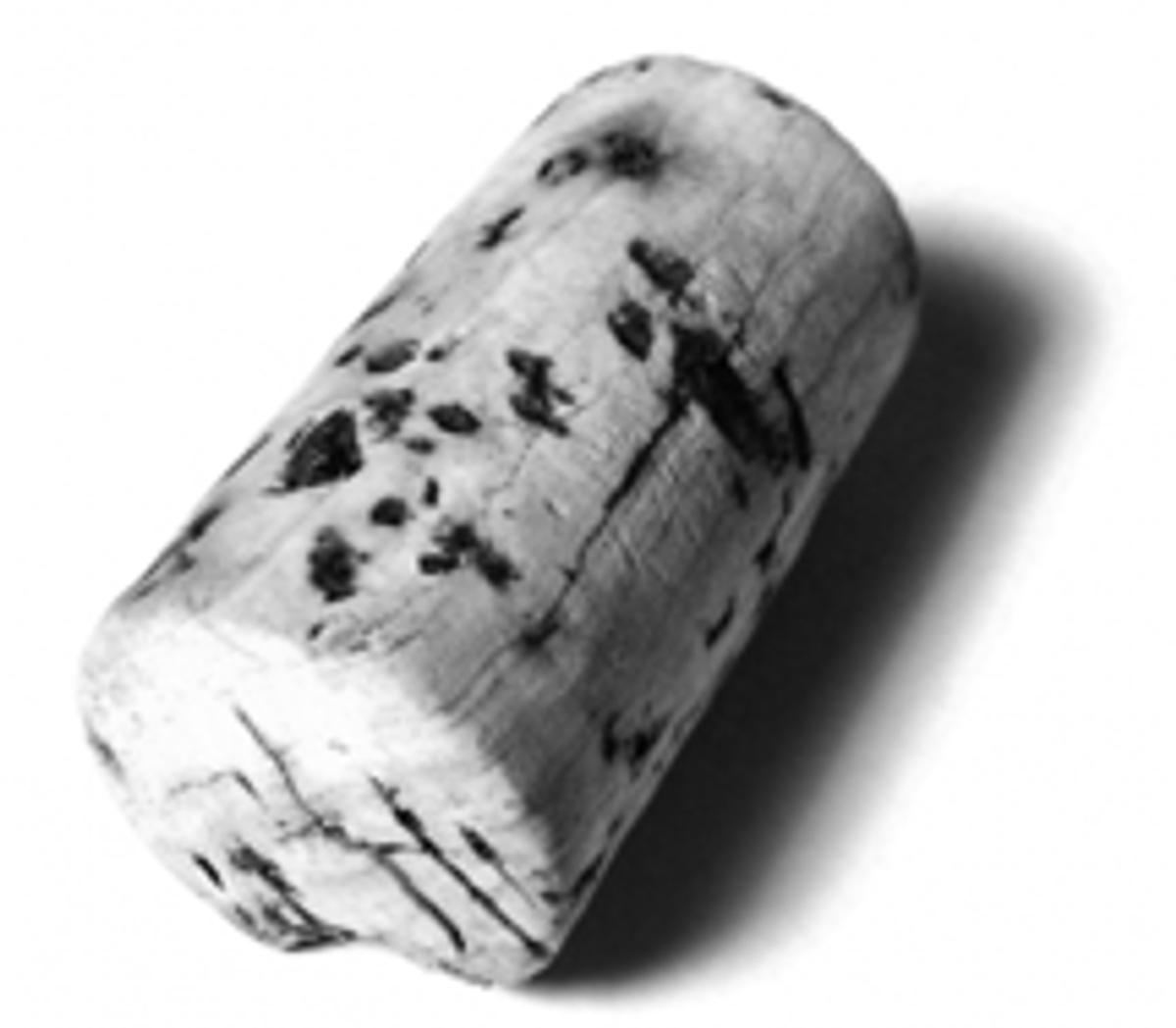
Oak corks have been a longstanding fixture within the wine industry. For many of us, they represent the romantic process of opening a bottle of wine. The sound of a cork popping out of the bottle brings a rush of excitement and anticipation that people often associate with the many pleasures of drinking wine. Corks are imbedded in the historic traditions of winemaking, but it may be that we hold onto this tradition at the cost of the overall quality of the wine.

Two of the main reasons that alternatives to cork are being sought out are the increasing occurrences of cork taint, as well as the rising cost of importing cork from Europe. For several decades now research has been performed in various wine regions around the world in the hope of finding an efficient alternative to corks. And for many, with a heavy emphasis placed on the growing industries of New Zealand and Australia, the solution appears to lie with the screwcap.

Although screwcaps have been used on food products since the 1800s, the marriage of screwcap to wine bottle got its start back in 1959 with the mastermind of French manufacturer, Le Bouchon Mecanique. But due to consumer reticence, its commercial use was very limited. Then in the 1980s, the Swiss got the screwcap bug and over 60 million bottles in a 15-year span were bottled with screwcaps in Switzerland. However, the screwcap was widely associated with medium priced wine (liter or jug bottles), and consumers were still hesitant to accept screwcaps on premium wines.
It wasn’t until 2000 that screwcaps made an appearance on the global market as a closure for premium wines in South Australia. This new immergence grabbed the attention of winemakers in New Zealand who, fed up with making wine that was eventually “tainted” by the cork, sought to form the New Zealand Wine Seal Initiative. After New Zealand wines started hitting the global market with screwcaps, particularly on Sauvignon Blancs, winemakers in other countries started using screwcaps as well, and by 2004 there was the creation of the International Screwcap Initiative (ISI). There are currently seven countries that have involvement in the ISI: Argentina, Australia, Austria, France, Greece, South Africa, and of course, New Zealand.

In case you are curious, 80-90% of all wine produced in New Zealand today is bottled under a screwcap.
So why is there all this hoopla over the screwcap in the first place?
- Cork Taint: screwcaps, along with synthetic corks, are a possible solution to the growing problem of cork tainted wine. TCA (2,4,6-trichloranisole), otherwise known as “cork taint,” is a compound produced by microbes that live in the lenticels of cork bark—this could be a result of pesticide sprayings of cork trees or a product of the chlorine bleaching process used to sterilize corks. Either way, a “corked” wine is one that gives off a musty or moldy aroma—one that most definitely ruins the wine.
- Controls Oxygen Exposure: there are different types of screwcap
liners—those with a tin layer in the liner allow very little, but some, gas transmission, and those with a saranex-only liner allow a good deal more. This combats the notion that screwcaps provide a completely oxygen-less environment that can lead to reduction in the wine. - Easy and Accessible: screwcap bottles can be easily opened, and
with no extra accessories needed (i.e. you can stop buying all those difficult-to-use corkscrews!) - Re-sealable: the screwcap’s ability to screw back on allows an open bottle of wine to last longer...and there is no more worrying about what to do when a cork breaks in half!
- Easier Storage: screwcaps facilitate vertical (or horizontal for that matter) storage of wine bottles, allowing for bottles to be placed in any nook or cranny of your cellar.
- Resistant to Damage: screwcaps are not permeable objects like their cork counterparts, and thus are resistant to odors and possible insect penetration in your cellars. Also, screwcaps will not leak like some corks do, nor will they “push” out of the bottle when exposed to high temperatures.
- Lower Cost: Natural corks can cost anywhere from $0.35-0.80
a piece and the tin foils that are placed on the neck of the bottle to cover the corks cost around $0.14 each. Plastic corks and screwcaps both cost around $0.11, however, screwcaps eliminate the need for tin foil covers altogether. With wineries saving anywhere from $0.14 (cost of foils) to $0.94 (cost of most expensive cork and foil) a bottle for all future production, it is possible that the retail cost per bottle will be lowered for consumers. - Recyclable: made from aluminum or tin, screwcaps are easily recyclable if disposed of properly by the consumer.
With understanding the benefits that come from using screwcaps, it is also important to be aware of potential problems that can arise from their use. The cork industry is primarily based in certain regions of Portugal and Spain, and using alternatives to cork may have a negative effect on the people who depend on its economy as a means of living. There is also the issue of the cork forests themselves, for their diverse eco-structures place them among the top biodiversity centers in the Mediterranean/Europe. The cork industry, at the moment, provides that these forests will not be destroyed by big business developers.
All in all, screwcaps have the ability to enhance the overall quality of wine, thus defeating cork by T.K.O. And while winemakers and producers from different regions around the world are turning to screwcaps as a worthy closure, they still seem to lack in consumer approval. The wine industry is slowly but surely making a shift towards alternatives to cork, from plastic and synthetic corks to glass stoppers to aluminum and tin screwcaps. Ultimately, it is the consumer that needs to accept this change in order for wineries to see any success.