On a recent trip to the Napa Valley, I found myself in a position to decide the wine our table would share while dining at one of the region's beautiful local restaurants. As a wine professional, this choice is often bestowed upon my "expert" opinion when eating out with friends and family. However, the multitude of choices that are presented on a typical wine list can make even a seasoned wine enthusiast's head spin. In these situations, I strive to make decisions that will complement and enhance the meals, as well as best match the variety of entrees that my companions and I order.

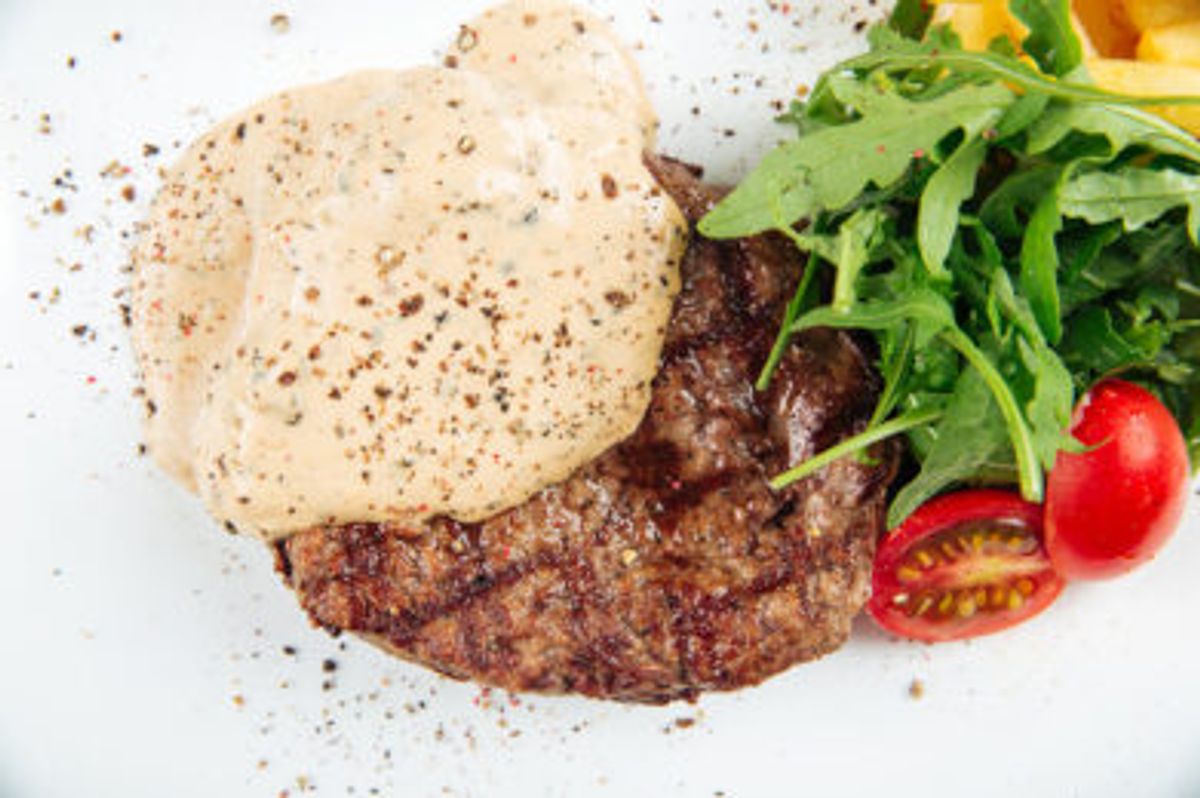
I also consulted with Bob Clark, Sommelier at Jessup Cellars in Yountville, CA for his input on ordering wine in restaurants. According to Clark, balance is pivotal in choosing wine to complement your meal. He believes that thinking about the salt, fat and protein contents of your food is important when making your decision. Clark encourages a white wine that is higher in acid if you are going to be eating high sodium foods and a red wine that is higher in tannins for meats that are high in protein and fat. The wine will be perceived as smoother on the palette that way. "You don't want either the wine or the food to overshadow each other," he advises.
Clark also suggests keeping etiquette in mind if you choose to bring your own bottle to open at dinner in a restaurant. "Call ahead and let them know you'd like to bring a bottle in, and confirm that the bottle you are bringing in is not already on their wine list." It is considered gauche if you duplicate something they already have. He also advocates offering a sip to the server or sommelier if you do bring your own bottle in, particularly if you have a unique and interesting selection – this may just get all or some of your corkage fee waived.
Lastly, Clark recommends visiting the restaurant's website and perusing their wine menu ahead of time and looking up some of the wines that sound interesting to you. "A little research goes a long way," says Clark. You will feel more confident in the moment when you have a little background under your belt.
Here are a few other strategies that can be used to help make this decision easier for the next time you are faced with a similar experience in a restaurant.
- Consult the restaurant's sommelier or your server (if they do not have one), for their advice on what to order. The sommelier is the resident expert and professional on wine and wine service, and it is their job to help guide you in this process of choosing wine for your meal. The sommelier and server are the most knowledgeable of the restaurant's wines and should be able to recommend one easily. Be specific about what you are looking for and use wine-related terminology if possible. Do you want a full- bodied or bold red wine with a lot of fruit on the nose that is very jammy? Or, would you rather have a white wine that is light and crisp or buttery on your palette? Do not be afraid to describe what you like to drink. You can even refer to something you had recently as an example. The more information you can provide them with, the better. You will also want to be clear about the price you are willing to pay for your wine. If you would rather not voice this aloud, you can point to the menu and wines that are within your budget, indicating that you are looking for something in that price range.
- Consider ordering a wine by the glass. If you do not feel like drinking an entire bottle of wine or would like to try a few wines, explore the "by the glass" option. Most restaurants have more than a few interesting and unique reds and whites to choose from.
- Go local or regional. Whether you choose a glass or a bottle, trying a locally produced wine or regional wine is always a good option. It's likely that these wines have been specially chosen to showcase that area, and it is an opportunity to try a wine you may not have tasted before. And, a particular region that has produced wines to match the local cuisine over time will also be well suited for whatever entrees you choose to order.
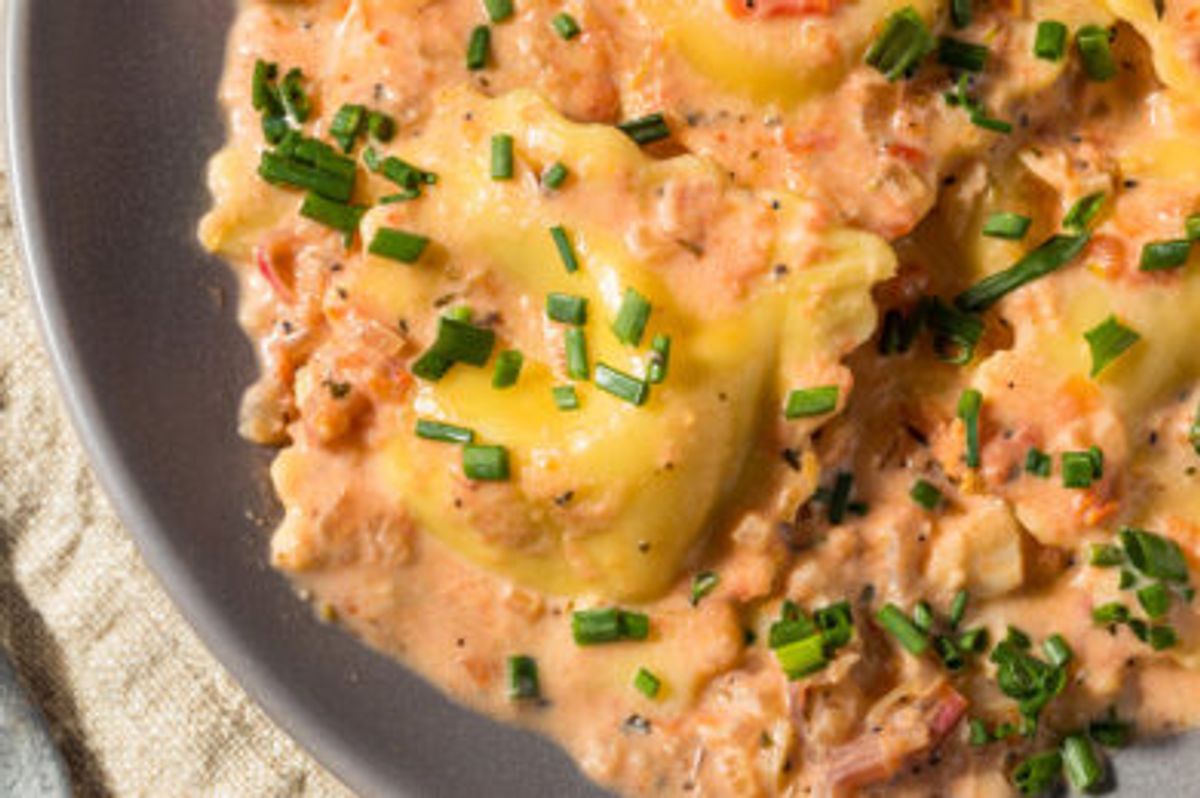
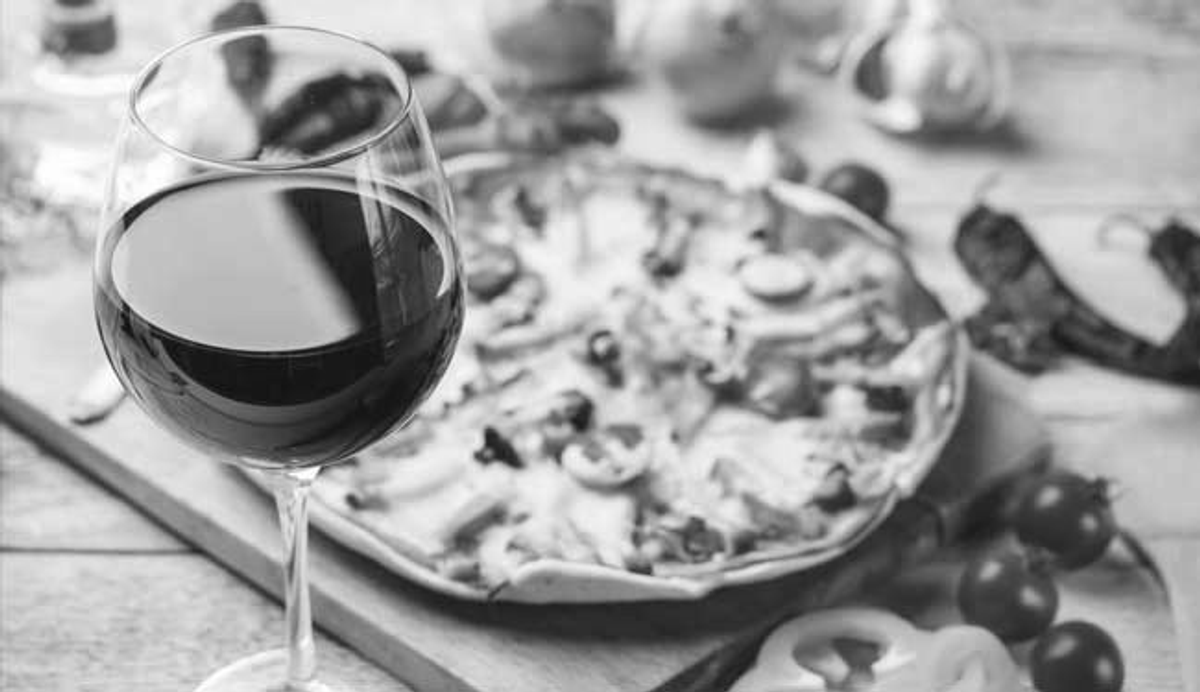
- Think about the food first. It may help to take a few minutes to decide what you would like to eat first, and then order your wine to match your meal. Also, consider how substantial the foods you have chosen are, and then pair with a wine that will complement them. (Keep in mind the advice from Sommelier Bob Clark, regarding the influence that the content of sodium, fat and protein in food has upon on your wine experience.) In general, heavier dishes, including steaks, lamb shanks, pork or rich pastas dishes, pair well with bold and spicy red wines, such as Zinfindel, Syrah (Shiraz) and Cabernet Sauvignon. Lighter fare, such as chicken, fish and salads are better to enjoy with a white wine, such as Pinot Grigio, Sauvignon Blanc and Gewürztraminer, a light red, such as Pinot Noir or even a dry Rose. If you are having light appetizers and then a richer meal, or if you are dining with a larger group that is ordering a few different types of main courses, choosing a red and a white might be a good idea. Have the server open both at the same time so that the red has time to breathe while you enjoy your white; even a younger red wine can benefit from a little air.
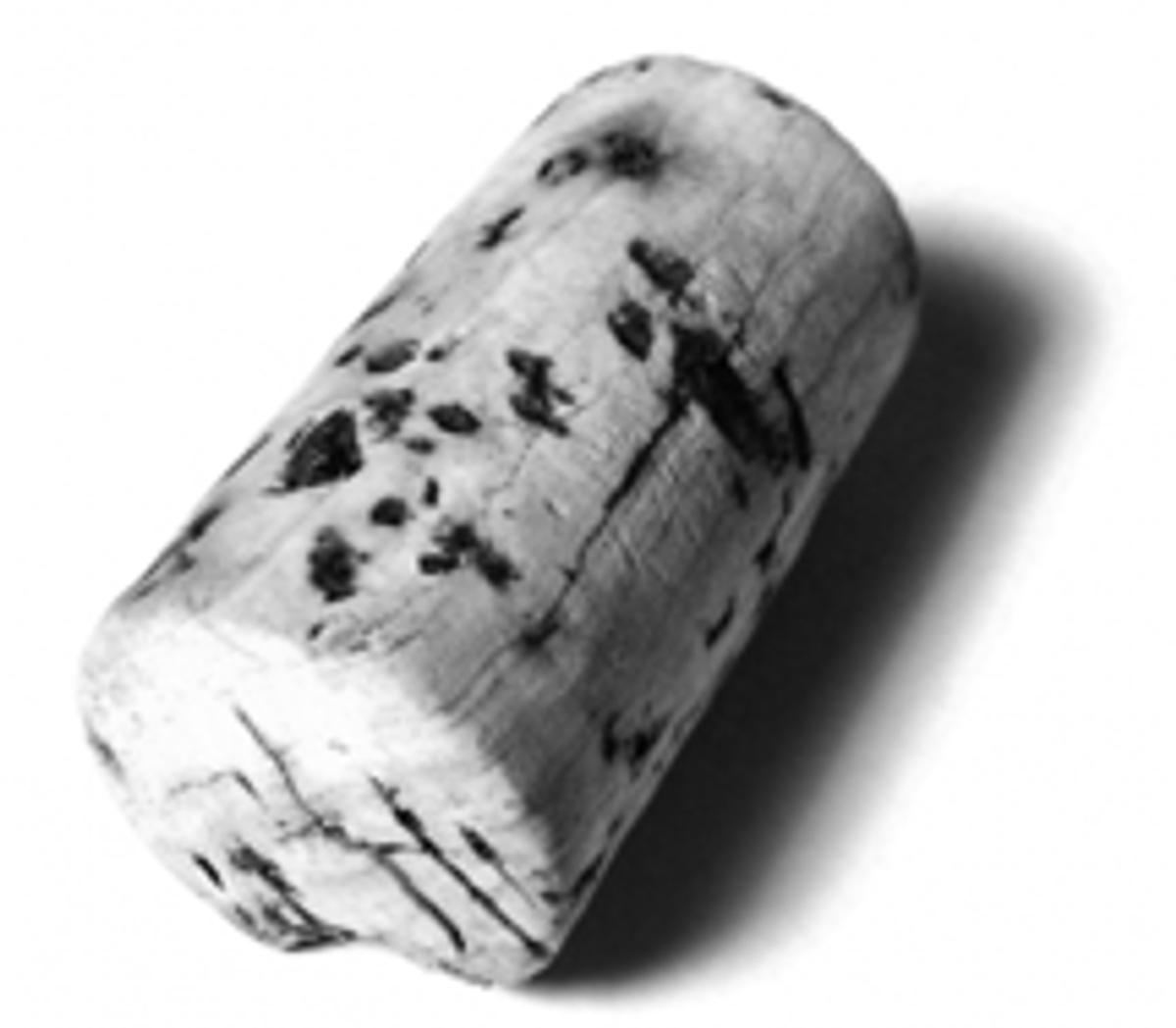
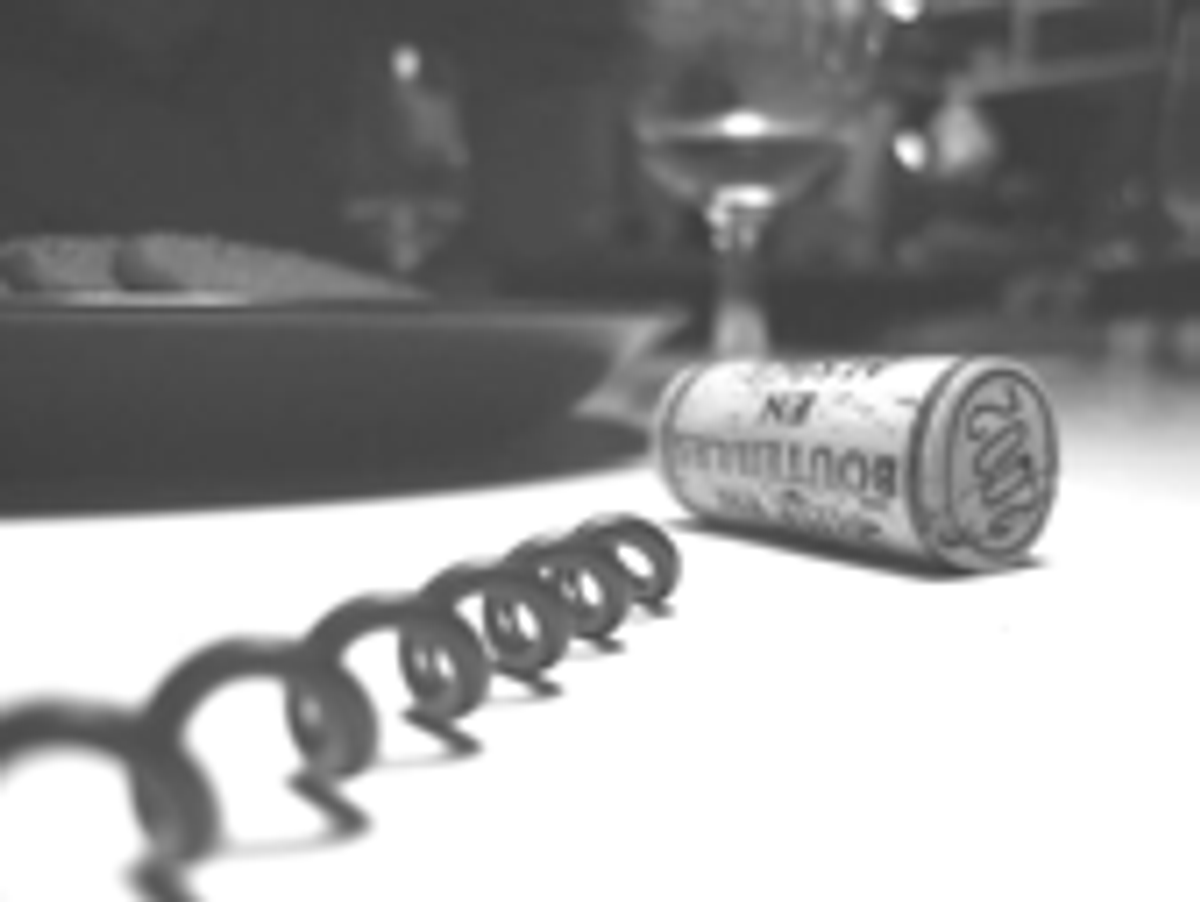
- Don't be afraid to send it back. When a bottle of wine is served to you, inspect the cork for dryness or cracks. This may indicate improper storage. Sniffing the cork is not necessary. The server will pour a small amount into your glass for you to test, swirl it and stick your nose into the glass, near the top to get the best sense of the wine's fragrance. If it smells musty or "off", do not be afraid to send a wine back. If you are unsure, ask the server to try it and give their opinion.
While ordering wine at a restaurant can sometimes feel like a daunting task, if you drink what you like in company you enjoy, the wine you choose will always taste good, no matter what other factors are on the table.