The concept of farm-to-table can be described as production of food that is delivered straight from a local farm directly to consumers. Increasingly, chefs employing the farm-to-table mindset are using simple seasonings and modest preparations to allow the food to express itself as naturally as possible. A similar phenomenon has been happening in the wine industry over the last several decades in regards to viticulture and enology. Organic and biodynamic farming in vineyards, as well as natural winemaking, have grown in popularity. Might there be a correlation between the farm-to-table movement and these trends within the wine industry? It would be presumptuous of me to claim to know the answer without extensive research, but what I can say is the two share the value of caring for the environment and producing the highest quality of food and wine possible.

Over the last few years a buzz has grown across the industry over the newer trend of natural wine making. Often this concept is misunderstood, but it is an attempt to return to the traditional viticultural techniques used by winemakers and vignerons for centuries before modern technology entered the industry. The natural wine movement is similar to the farm -to - table movement, in the emphasis on the land and farmer/producer’s role in the harvesting, processing, and delivery of the finest ingredients possible to consumers. (I’ve even heard some people refer to it as the vine -to -table movement.)
Natural wines are made with little to no manipulation from the vineyard to the bottle, without fungicides or additives along the way. As influential wine writer and blogger, Alice Fiering has said, natural wines have “nothing added, and nothing taken away.” All natural wines use organically grown grapes, yet not all organic wines are natural. The difference is in the winemaking process, which can vary widely since there is not a clear cut definition as of yet by any governing bodies within the wine industry.
No one individual is credited as the founder of the natural wine movement; yet, Jules Chauvet, French chemist and wine producer in Beaujolais is often considered as one of the first to promote and adopt these practices in the 1950s. Following close behind his footsteps are four other local winemakers in Beajolais: Guy Breton, Jean -Paul Thévenet, Jean Foillard and Marcel Lapierre (dubbed Gang of Four by wine merchant, Kermit Lynch) who have played a large role in propelling this philosophy forward. Proponents of the natural wine movement appear to agree that they prefer it to not have structured rules and regulations, thus potentially ruining the freedom sought within the techniques. This topic is complex and highly debated. At present, it is centered mostly in France and Italy; although, it is becoming more popular in the U.S., particularly in New York and San Francisco, courtesy of importers, Kermit Lynch and Louis/Dressner. Joe Dressner of Louis/Dressner and Alice Feiring, have both been particularly vocal about the movement and Jules Chauvet support of this non -interventionist style.

The more I’ve learned about and tasted these natural wines, the more I see them falling into a wide spectrum of phenomenal to terrible. But, that’s often the way that life goes when we are trying new endeavors. Some attempts are excellent and exceed our expectations, while others fail. What I know for sure is that you learn the most about wine or food by knowing the winemakers and farmers. The producers are what counts, as they guide the path of a wine or food’s production. Natural, organic, biodynamic, or whatever label you want to put on it is just that, a label. Talk to those who are a part of the process to really know what you are getting.
BARGETTO WINERY is family/estate owned and has been operated for three generations. Year after year, we demonstrate a commitment to our principles, as well as the highest quality of winemaking and viticulture practices.
BARGETTO has been a leader in sustainable winegrowing practices. In fact, we were the first in the region to install solar energy, in our Regan estate vineyard. The Wine Institute, leading a state wide push towards sustainability in the wine industry, recognized BARGETTO years ago for our well developed website promoting our sustainable practices.
And finally, the University of Notre Dame invited our Director of Wine Making, John Bargetto, to give a speech in 2013 on sustainable winegrowing. That speech is available on our website.
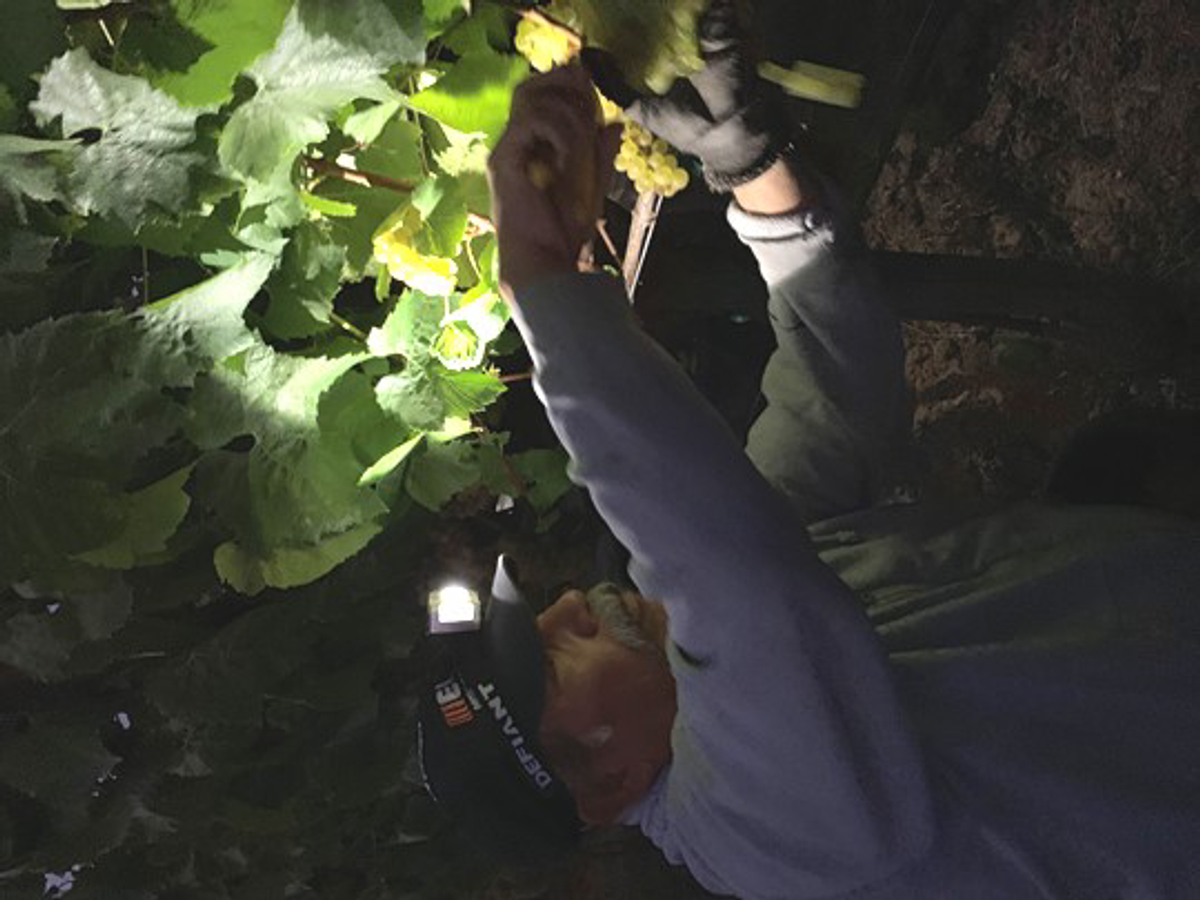
We are passionate about sustainable wine making, both in the vineyard and the winery. BARGETTO employs sustainable growing techniques such as hand harvesting and deficit irrigation to improve the quality of the wine we produce. At our Regan estate vineyard we use compost and cover crops for healthier soil, solar power to pump well water while at the winery we are diligent about recycling of boxes and wine bottles, as well as the use of biodegradable packing materials to replace styrofoam. BARGETTO is the oldest continuously operating winery in the Santa Cruz Mountains for a reason; we hold to our traditions yet continue to innovate. And, in my book, that’s what counts.