There are many myths surrounding wine and its colors. You may have heard that Rosé of Merlot is made from white Merlot grapes or orange wine gets its color from oranges. Let’s debunk these falsehoods and provide an overview of the winemaking process as it pertains to color in wine: how can different reds can have different color intensities? Why are white wines lighter in color? What ’ s the deal with rosé versus orange wine? No oranges were harmed in the making of our orange wine, I promise.
You can pick any grape in the vineyard and squeeze its juice into a bowl and whether it is from a Merlot, Chardonnay, Pinot Noir, or Cabernet Sauvignon grape, the juice will be clear. So where do red wines actually get their color? When we receive a bin of red grapes freshly picked from the vineyard, we place it directly into our cellar.
We then crush all the grapes in that bin with a tool known as a “punchdown tool. ” This presses the juice out of the grapes and allows it to sit in contact with the skins and fruit during the fermentation process. We perform a “punchdown” each time we press and mix up the grapes. This occurs three times per day over 2 -4 weeks to ensure that all the skins and fruit have equal time in contact with the skins.

A punchdown tool resting in a bin of grapes fermenting juice.
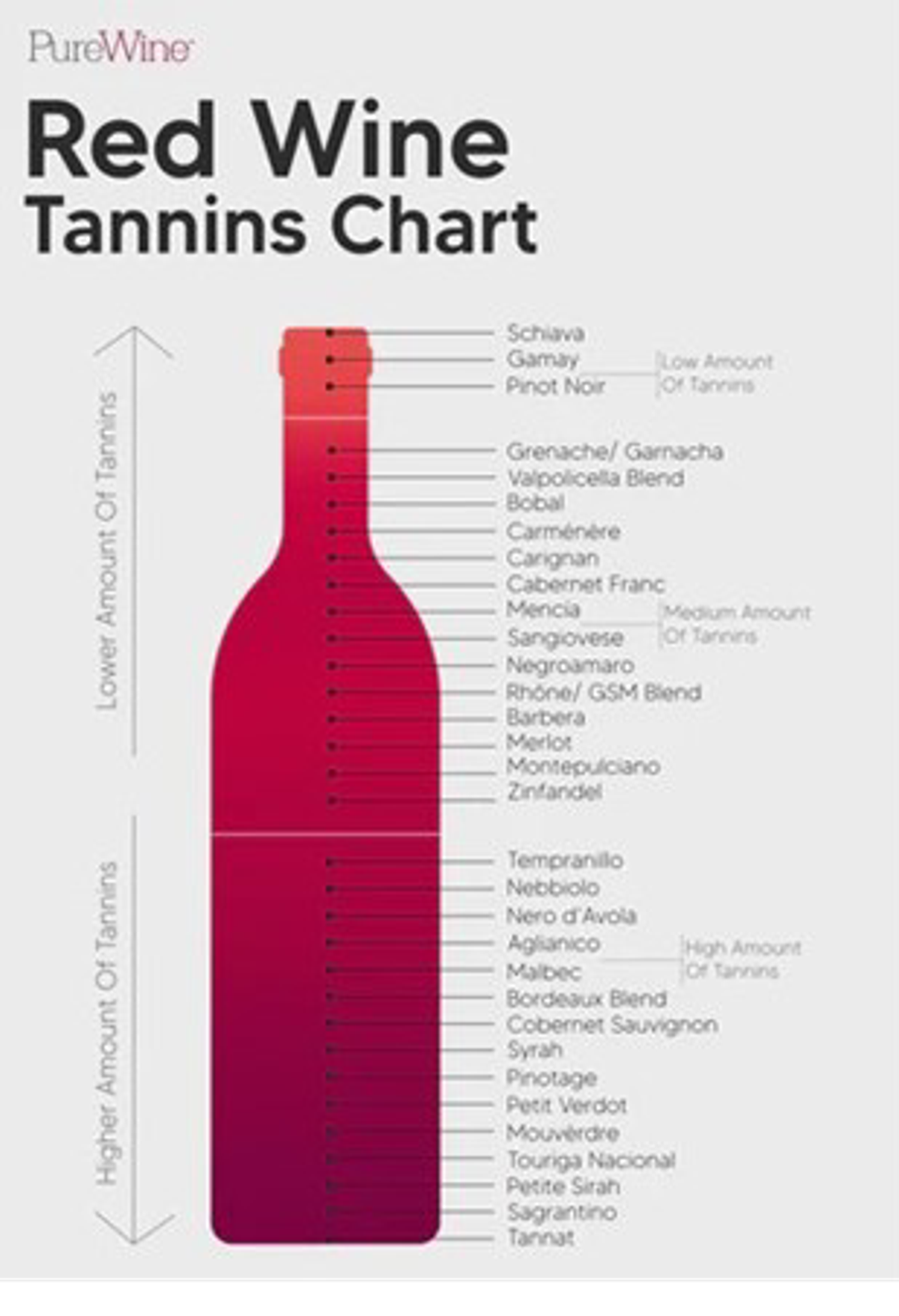
This process is crucial because tannin and color pigments are located in the fruit and skins of the grape. They are drawn out through a process called maceration. Maceration occurs as our newly produced alcohol sits in contact with the grapes. The alcohol acts as a solvent to extract tannin, color pigments (anthocyanins), and additional flavor compounds from our grapes — like steeping tea in hot water. The longer we leave the skins and fruit in contact with our juice, the more color, flavor, and tannin the alcohol will “pull ” from the grapes. This is why high tannin wines are also deeper in color and richer in flavor, because these aspects develop hand-in-hand.

A bee sits on grapes picked at Regan Vineyards
Another factor in the varying colors of red wine is the genetic material behind each grape. Thin skinned grapes, such as Pinot Noir, naturally have less color when compared to a thicker skinned grape, such as Cabernet Sauvignon. Winemakers will factor this into their production methods when producing their wines and deciding how long to leave the juice of each varietal fermenting in contact with its fruit.
You may have read the term “skin contact” or “on the skins for X days.” These terms refer to this process; for example, 3 weeks of skin contact means the fermenting juice was in contact with the fruit and skins for 3 weeks before it was drained and the fruit was dumped.
So what does that mean for orange and rosé wines? Consider these wines two sides of the same coin. A rosé is made from a red grape with less skin contact than usual, while an orange wine is produced from a white grape with extended time on the skins. These wines often undergo similar periods of skin contact, which is why they tend to be similar colors.
When Bargetto Winery produced our 2023 Vino Ramato (an orange wine), we used our Regan Vineyards Pinot Grigio grapes, the same grapes that produce our Santa Cruz Mountains Heritage Label Pinot Grigio.
However, when we crushed the grapes, we left the skins and fruit in contact with the juice for 13 days to pull slight color and structure from the fruit instead of pressing the juice out immediately. This process is the same for a rosé, during which we leave the grape skins in contact with the juice for less time than is traditional for that red wine grape. This is why a rosé is always lighter than the varietal it is made from (ex: a Rosé of Merlot is lighter than a Merlot) and an orange wine is always heavier than the varietal it comes from (ex: an Orange Pinot Grigio is heavier and deeper colored than a white Pinot Grigio).
Conversely, following the traditional method for making white wines, when we receive the grapes, we immediately squeeze out the juice using our grape press. Because the juice is never in contact with the fruit and skins of the grapes, it has no time to absorb color or tannin during fermentation, resulting in a near colorless wine free of tannin. Various factors during the production process impart small amounts of color into white wines, often leaving them appearing a pale lemon color instead of fully clear.
The color of wine will also continue to develop as a bottle ages. Some aficionados may have had the pleasure of drinking an aged red wine during their career of wine consumption. If so, you may have noticed these wines tend to pale in color compared to a younger bottle of the same varietal. This is due to a chemical reaction during which tannins in the wine bind to color molecules. Over time, as these molecules combine, they precipitate out of the wine and form sediment in the bottle. This sediment you see is literally tannin and color molecules falling out of the wine. As the tannins and anthocyanins fall out of suspension hand in hand, an aged wine tends to both pale in color and become smoother in mouthfeel.

The Europress presses the grapes using an air bladder which delicately squeezes the juice out of our grapes without bursting seeds. Burst seeds can lead to a bitterness in wines.
As you find bottles of wine you enjoy drinking, consider diving deeper into their production styles to hone your preferences. You may find that you prefer Pinot Noirs from a specific region that have more time on the skins or Cabernet Sauvignons from another area that have less time on the skins. Perhaps a specific winemakers production style speaks volumes to you in the way they produce traditional varietals with untraditional methods.
Article photos provided by Bargetto’s bottling line supervisor, Andrew Hewlett.