Throughout the years, Americans have been seduced by an endless array of culinary trends. In restaurants, we’ve experimented with menu items
that are grilled, blackened and infused. We’ve rediscovered the steak house and have enjoyed home cooking at restaurants and cleverly called it comfort food. Through all these food stages, we’ve stayed loyal to one wine: California Chardonnay.
One might wonder why after all these years, our love affair with Chardonnay hasn’t waned. There are certainly many white wine alternatives available on the supermarket shelves. Selections from Australia and New Zealand are becoming as common as bottlings from Italy, France and even South Africa. Price doesn’t seem to be the motivator either, nor does the fact that Chardonnay possesses one of the most pronounceable names. Some might speculate that its popularity is due to its predictability and its affordability. Chardonnay can differ depending on the winemaking style and can offer the consumer different choices within the same category. Winemakers seem to share the same view: the Chardonnay grape offers vintners an infinite number of ways to express themselves. Its smell and taste mimic the foods that Americans love to eat: vanilla, butter, lemon, melon and cream. Add to all this a characteristic that’s full- bodied, rich but not overpowering, dry but not without a touch of sweetness, and has a very versatile grape.
The Chardonnay grape is a classic white grape grown all around the world. Its original fame comes from its success in the Burgundy and Champagne regions of France. Chardonnay does very well when fermented or aged in oak barrels and can result in a wine with overtones of vanilla in the bouquet and flavor. Many vintners use the process of malolactic fermentation, which brings out a rich, buttery taste and is responsible for the creamy mouth feel that is associated with some Chardonnays. Another wine-making style involves using stainless steel instead of oak which will produce a cleaner, fruitier Chardonnay. This practice is becoming increasingly acceptable in the U.S. Michael Sones, Winemaker at Bargetto Winery states, “Chardonnay is one of those grapes that allows one to experiment with different winemaking styles from oaky chips to peaches and cream.”
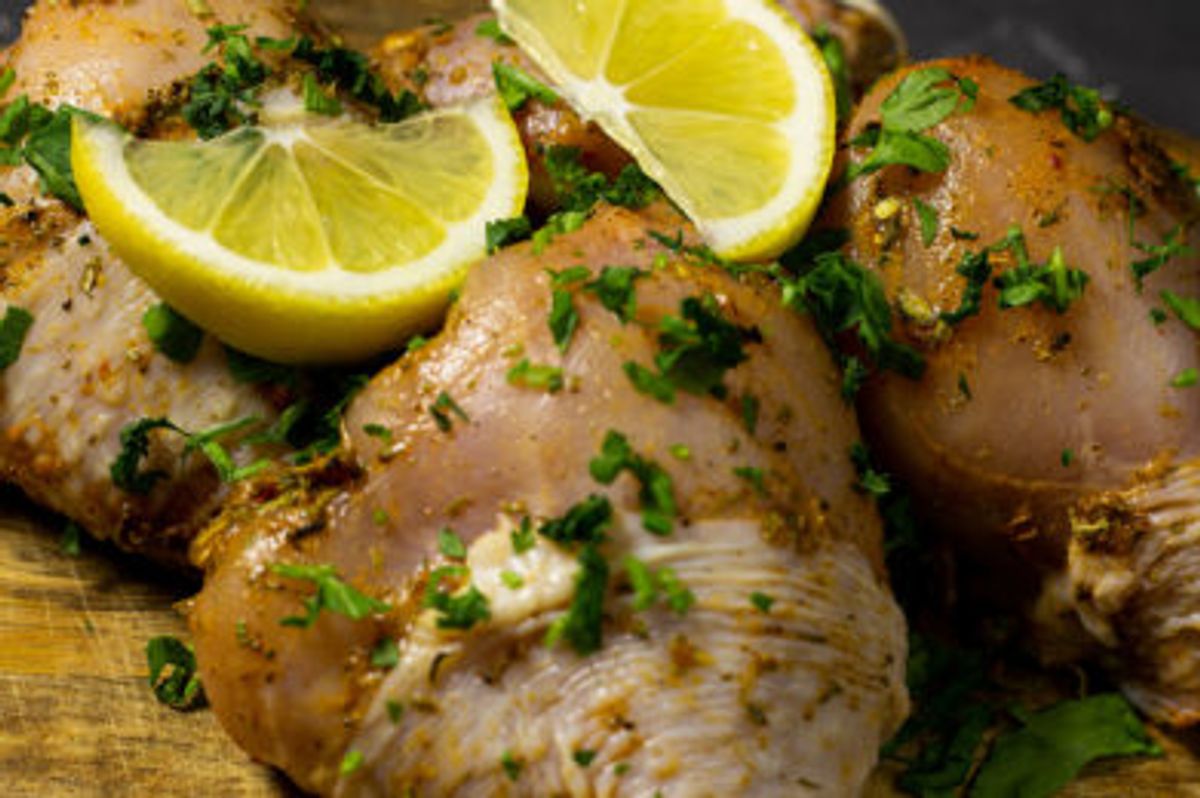
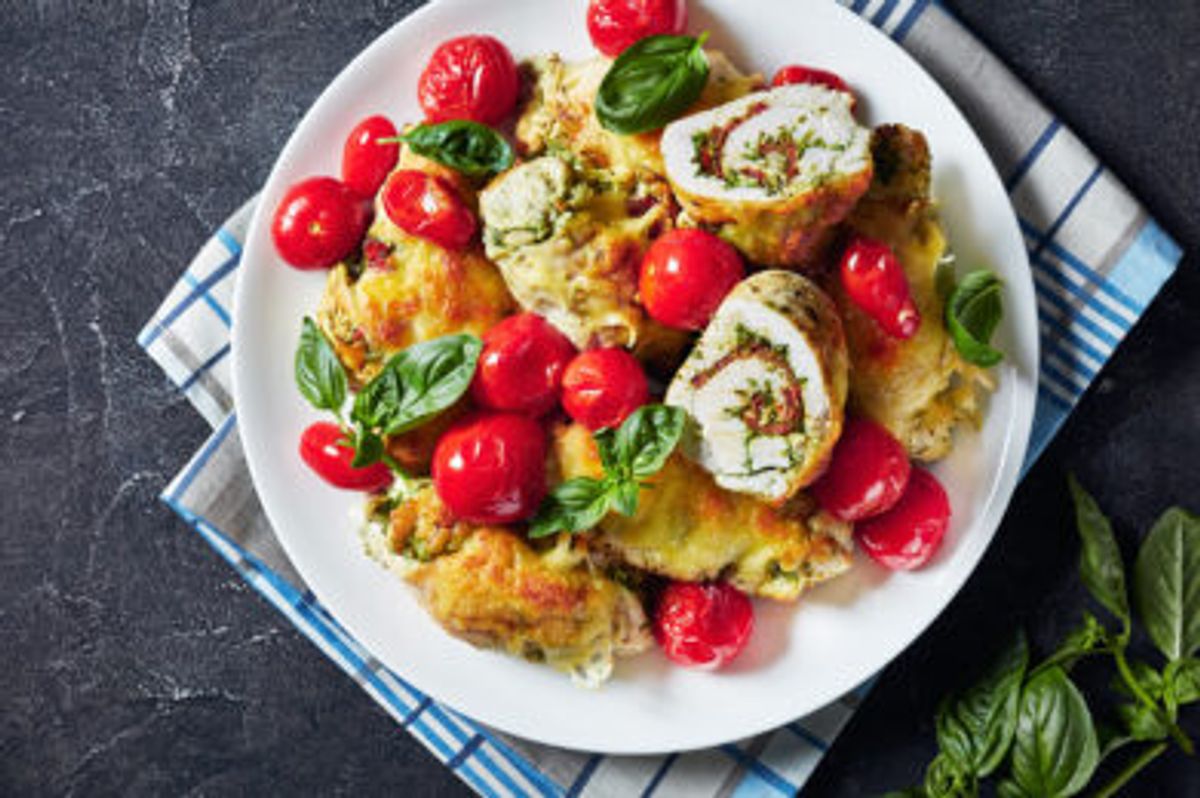
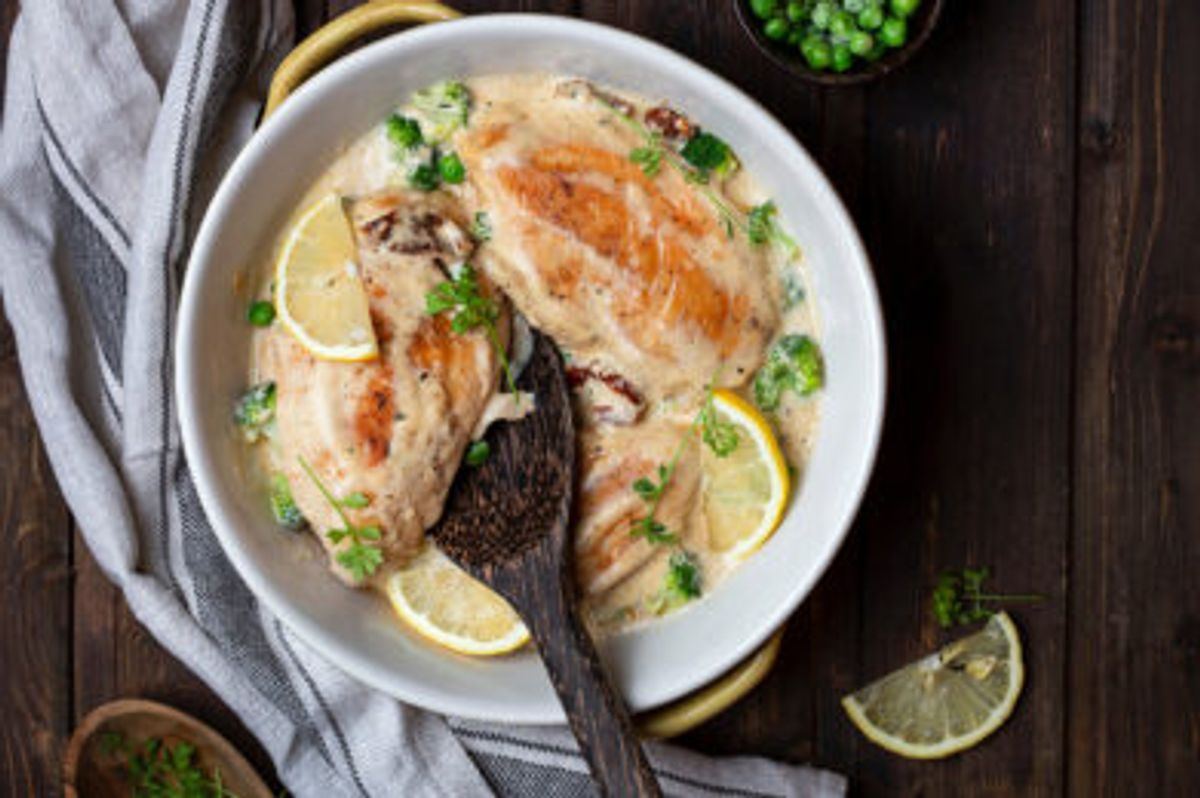
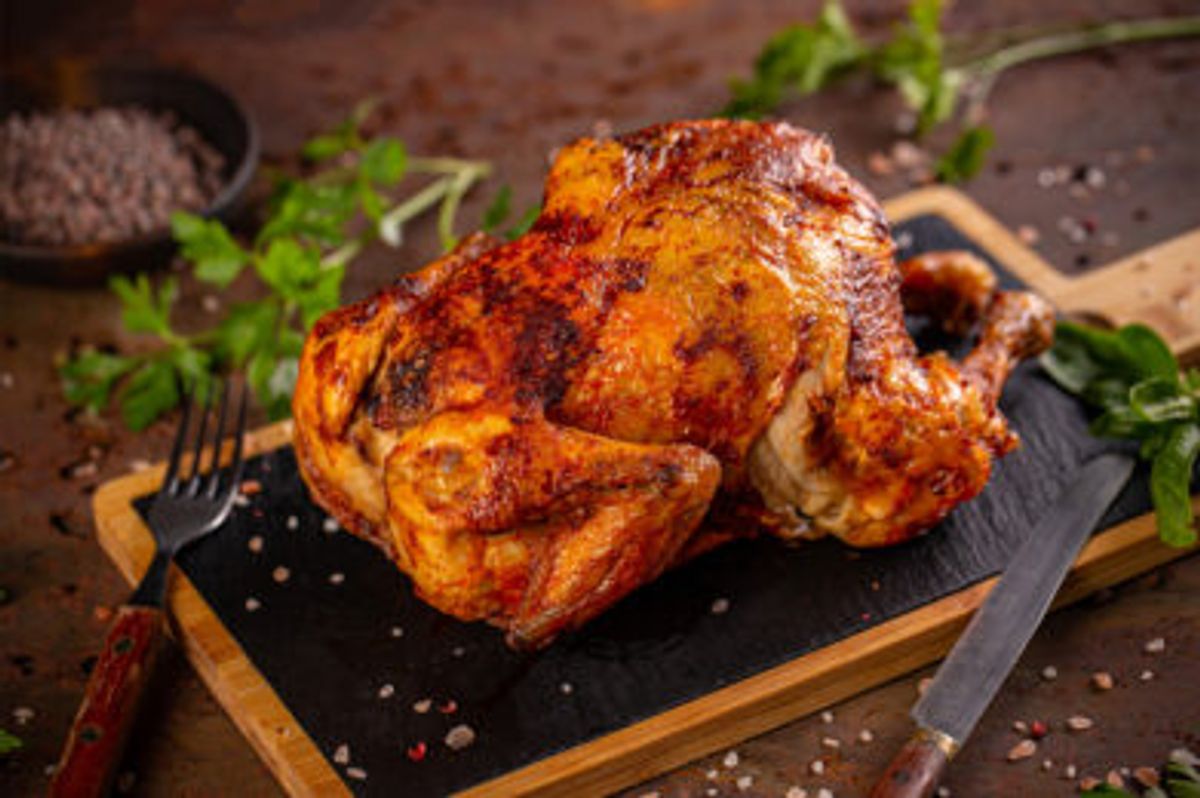
Chardonnay vines produce medium bearing fruit and are quite robust. The berries themselves are small, thin skinned and loosely clustered. This grape can be more difficult to handle from harvest to bottle than most other grape varietals. Chardonnay is food friendly and matches well with chicken and with dishes that are served with a lot of butter or a cream sauce. Chardonnay should be consumed when it is fairly young.
At Bargetto Winery, we experiment with the different wine-making styles: the Central Coast Chardonnay is produced in stainless steel, the Santa Cruz Mountains Chardonnay is aged partially in barrels and undergoes malolactic fermentation, and the Reserve Chardonnay is slightly oaked. Our family of Chardonnays allow you to experience the full range of possibilities from this versatile grape. Cheers!